
Y-LASER Successfully Delivers – Mid-Infrared Tunable Femtosecond Laser System
High-energy femtosecond lasers based on an all-solid-state design, with their extremely short pulse duration (typically on the order of 10⁻¹⁵ seconds) and high peak power, play a critical role in multiple fields, particularly in ultrafast optical applications such as high-order harmonic generation (HHG) in gases and terahertz generation based on LN crystals. The high-power laser provided by femtosecond lasers significantly enhances nonlinear optical effects in materials, thereby efficiently generating high-order harmonics and extending into the extreme ultraviolet (EUV) and soft X-ray bands. This high-energy output not only meets the requirements for high-order harmonic generation but also provides the essential laser source for exploring physical phenomena on extremely short timescales, such as attosecond physics. The generated high-order harmonics can be used to study electron behavior in atoms and molecules, revealing the fundamental nature of matter.
Furthermore, high-power femtosecond lasers have demonstrated strong application potential in the generation of terahertz radiation based on LN (lithium niobate) crystals. The terahertz band has a wide range of applications in fields such as materials science, life sciences, and communication technology. Femtosecond lasers, through the interaction of high-order harmonic generation techniques with nonlinear crystals, can efficiently generate intense terahertz radiation, advancing in-depth research into terahertz physics and its applications. This application relies on the powerful laser source and precise pulse control capabilities of femtosecond lasers, enabling the generation of terahertz radiation with specific frequencies and bandwidths to meet diverse scientific research needs.
Y-LASER Successfully Delivered a Mid-Infrared Tunable Femtosecond Laser System to Huazhong University of Science and Technology
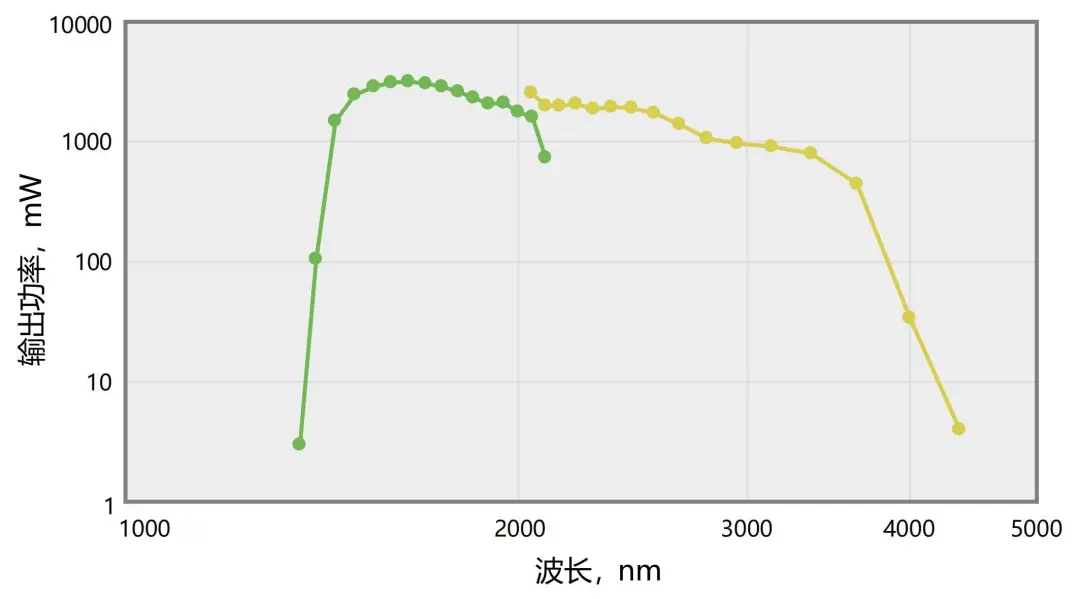
In the mid-infrared region, the advantages of high-energy femtosecond lasers are particularly prominent, especially in applications such as molecular vibrational spectroscopy. By pumping a mid-infrared optical parametric amplifier (OPA), femtosecond lasers not only generate high-quality mid-infrared laser light but also achieve broad wavelength tunability, with a tuning range from 1.35μm to 4.5μm, meeting the requirements for molecular vibrational and rotational spectroscopy studies. These mid-infrared lasers provide an exceptionally precise laser source for molecular spectroscopy, capable of exciting vibrational modes in molecules. By precisely controlling the laser wavelength, researchers can explore interactions between different molecules and uncover details of complex chemical reactions and molecular structures. The tunability of femtosecond lasers, particularly in molecular vibrational spectroscopy, offers great experimental flexibility, supporting diverse experimental needs and studies of various molecular systems. Their high peak power enhances molecular excitation efficiency, providing higher research precision for techniques such as time-resolved spectroscopy and ultrafast spectroscopy.
It is based on these requirements that our customer selected two standard product series from Y-LASER's femtosecond laser portfolio to conduct cutting-edge scientific research.
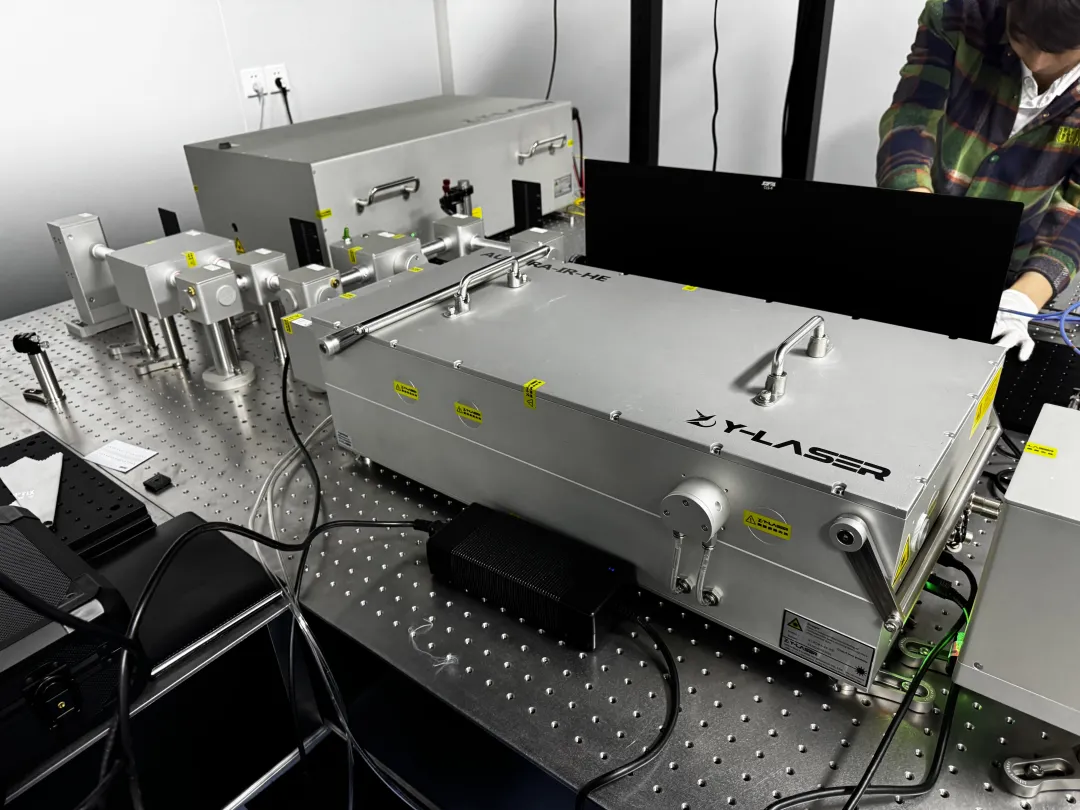
Delivery Site
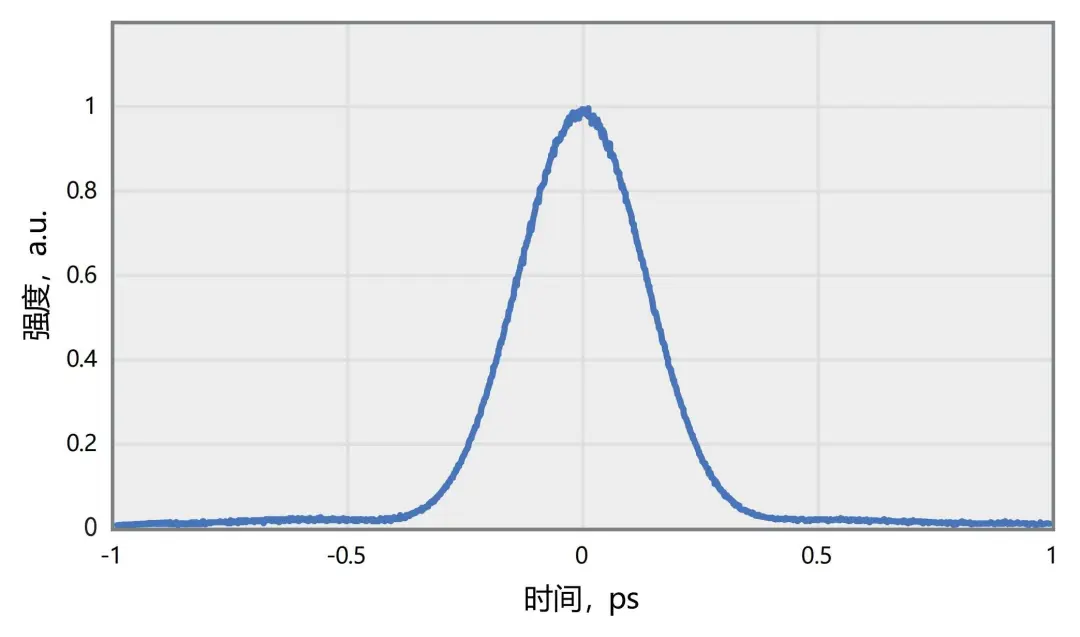
This high-energy femtosecond solid-state laser is a high-precision laser source specifically designed for complex scientific research applications, delivering stable output to meet diverse experimental needs. Its central emission wavelength is 1030±10nm, ensuring a reliable laser source. The laser pulse width (full width at half maximum, FWHM) is less than 250fs, supporting ultrafast time-resolution applications. The maximum single-pulse output energy reaches up to 2mJ, making it suitable for high-energy-density laser processing and treatment tasks.
HELIOS-20W-HE :
Center Wavelength: 1030 ± 10nm
Pulse Width: <250fs
Single Pulse Energy: ≥ 2mJ
Repetition Rate: Single shot to 100kHz
Average Power: ≥ 20W
Beam Quality (M²): < 1.3
 |  |
|---|---|
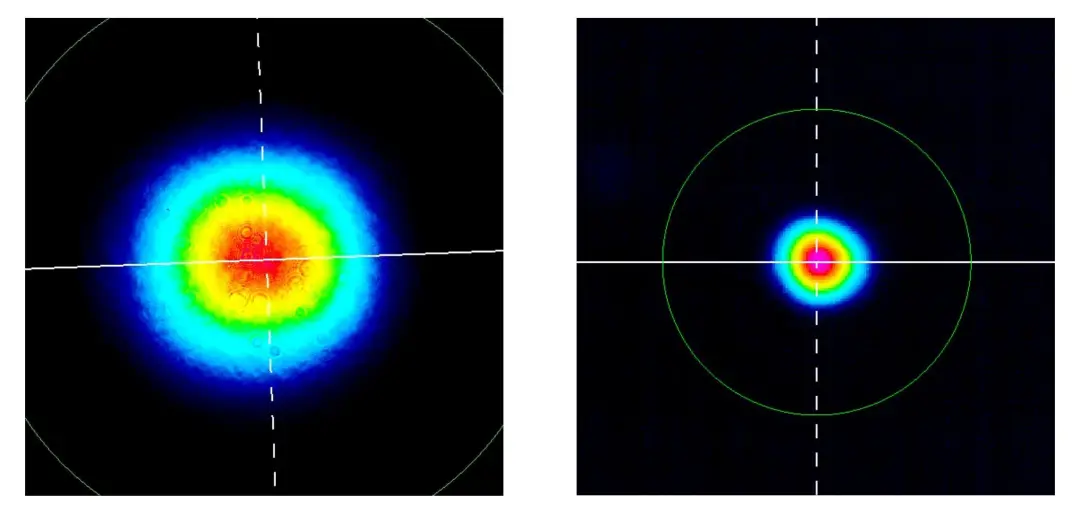
Typical pulse width of the HELIOS series (FWHM = 228.1fs) | Left: Near-field spot; Right: Far-field spot |
The laser's repetition rate is adjustable from 10kHz to 100kHz, flexibly adapting to the requirements of different experimental conditions. Its average output power is as high as 20W, ensuring efficient energy transfer and application capabilities to meet the demands of high-intensity applications. The laser beam mode is fundamental mode TEM00, with a beam quality factor M² of less than 1.3, approaching the diffraction limit, ensuring its suitability for efficient OPA pumping and other experiments to be conducted by the customer.
In terms of power stability, the laser's output power fluctuation is less than 0.5% (RMS), maintaining stable output even during long-term operation. Additionally, the laser beam diameter is 5±1mm (1/e²), ensuring consistency and controllability of the beam size. The polarization direction of the beam is linear, making it suitable for polarization-sensitive optical applications. To ensure stability under high-power operation, the laser adopts a water-cooling heat dissipation method, effectively managing heat and ensuring long-term stable operation.
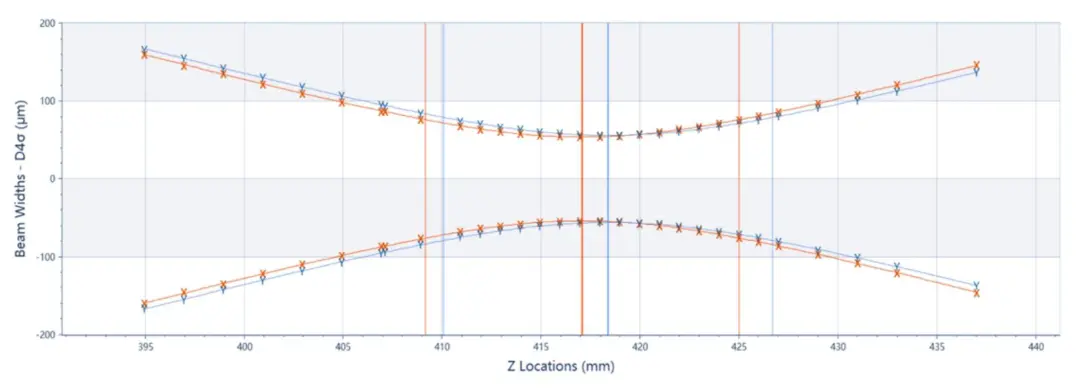 | 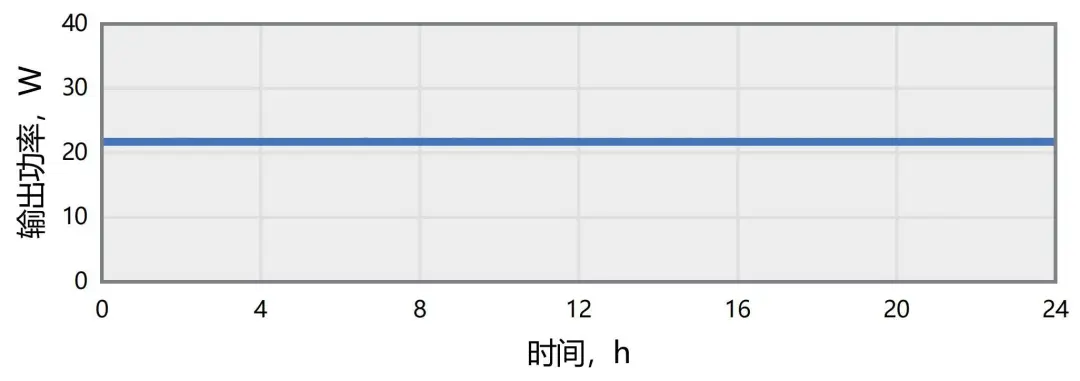 |
|---|---|
HELIOS series M² measurement data (M² < 1.1) | HELIOS-20W-HE power stability RMS = 0.25% @24h (20W/2mJ/10kHz) |
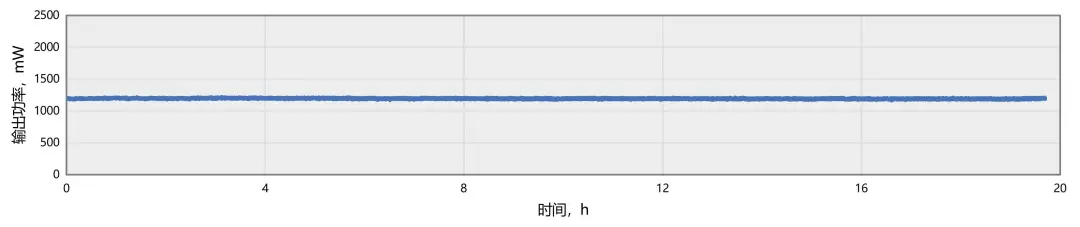
The high-energy infrared optical parametric amplifier pumped by this laser delivers exceptional performance, with a tuning range of 1350–2000nm (signal light) and 2100–4500nm (idler light). It supports a maximum pump power of up to 20W and is compatible with pump pulse energies ranging from 40µJ to 2000µJ. Its peak conversion efficiency exceeds 9% under pump conditions of 400 to 2000µJ, with a pulse width of less than 200fs. Long-term power stability and pulse energy stability are both better than 1% RMS at 1550nm, ensuring stable and reliable output. The beam is linearly polarized, making it suitable for a wide range of scientific research applications.
AURORA-IR :
Tuning Range (Signal): 1350 - 2000nm
Tuning Range (Idler): 2100 - 4500nm
Maximum Pump Power: 20W
Peak Conversion Efficiency: > 9%
Pulse Width: <200fs
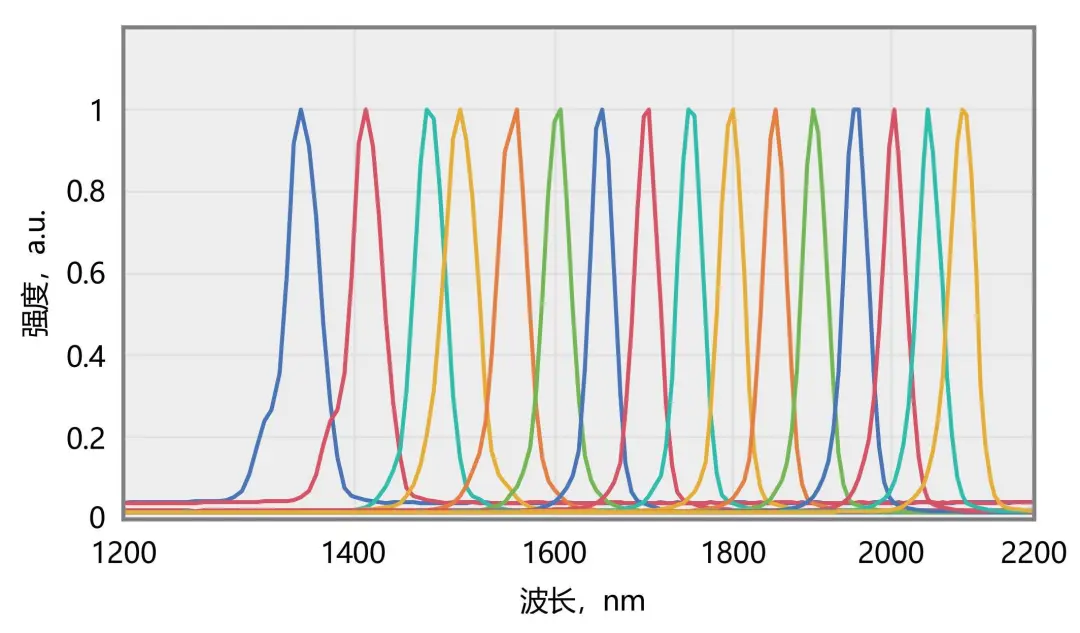 | 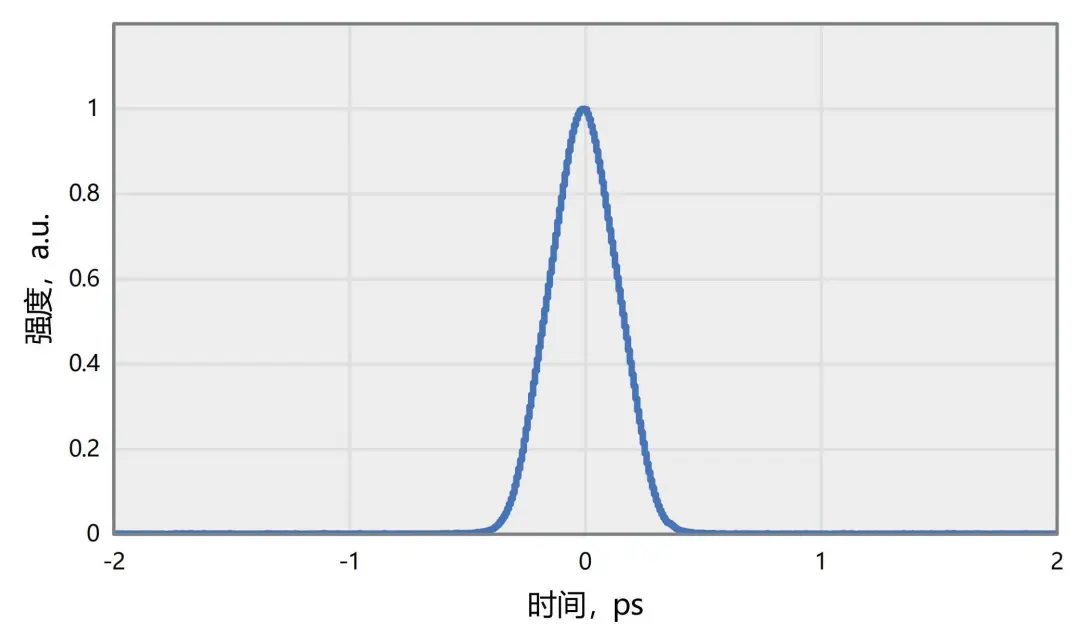 |
|---|---|
AURORA-IR Series Signal Light Spectrum (1350nm–2100nm) | AURORA-IR Series Typical Pulse Width FWHM = 158fs @ 1600nm |
 |  |
|---|---|
AURORA-IR Series Typical Wavelength-Power Tuning Curve | AURORA-IR Series 20H Power Stability RMS = 0.6127% @ 1600nm |