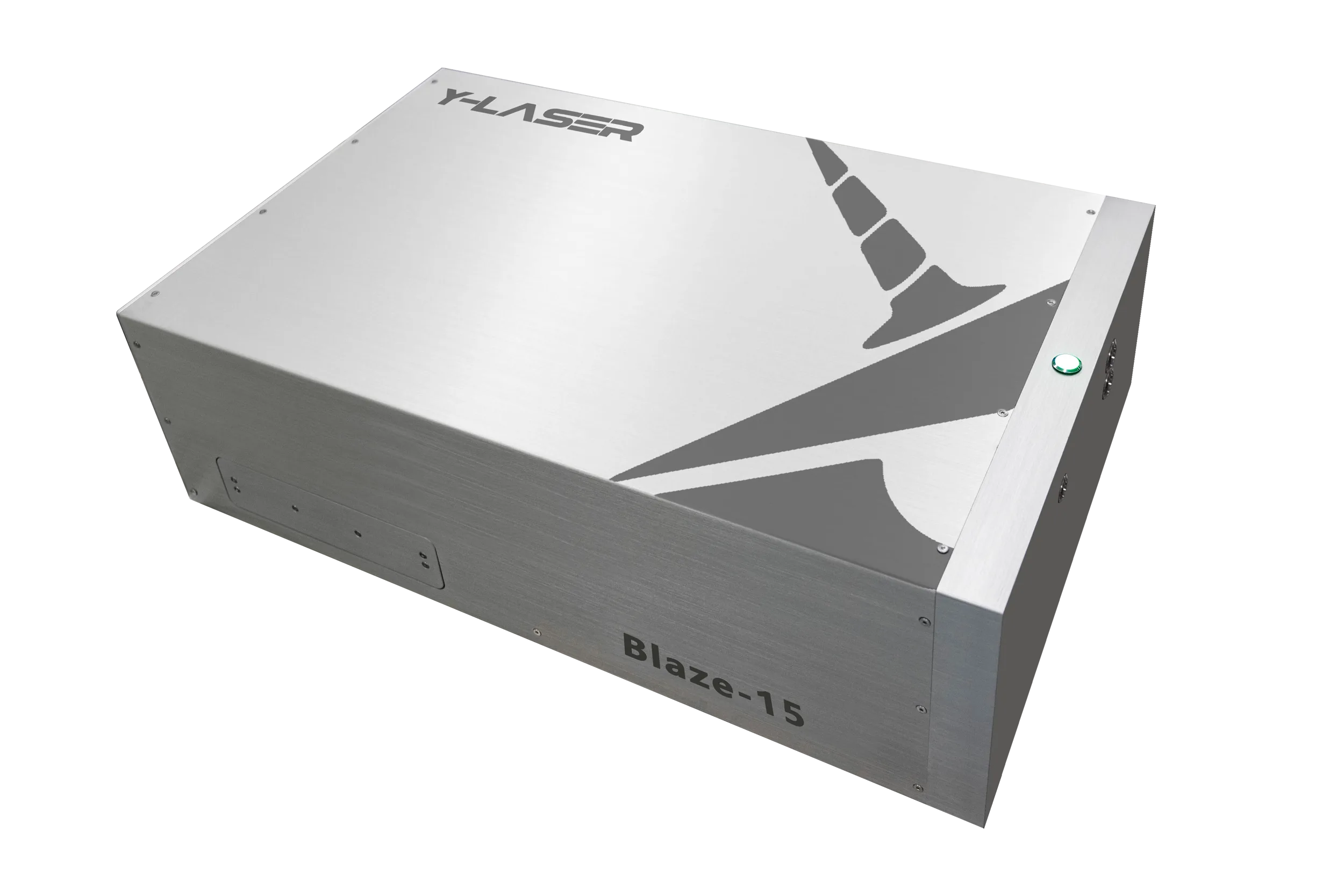
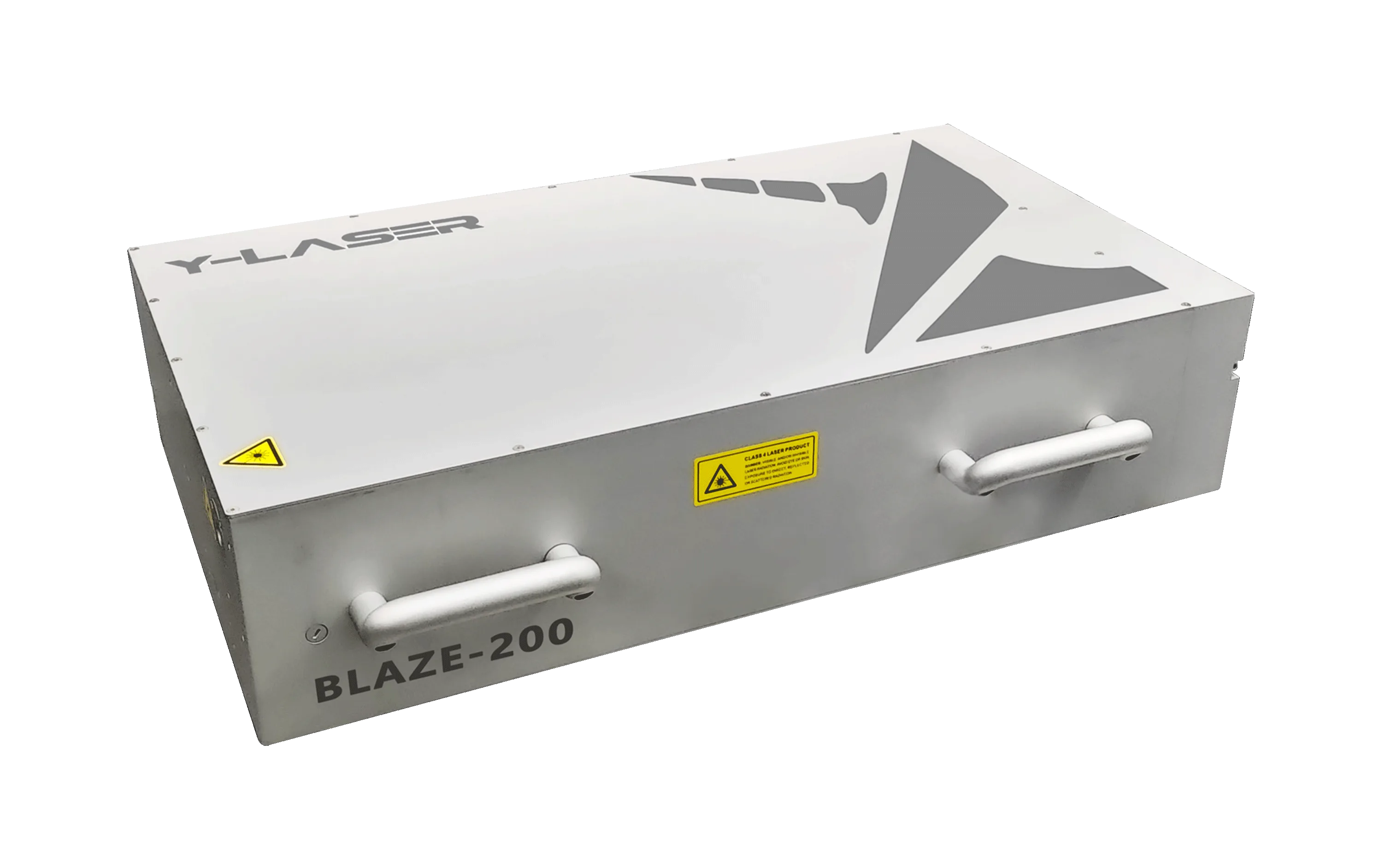
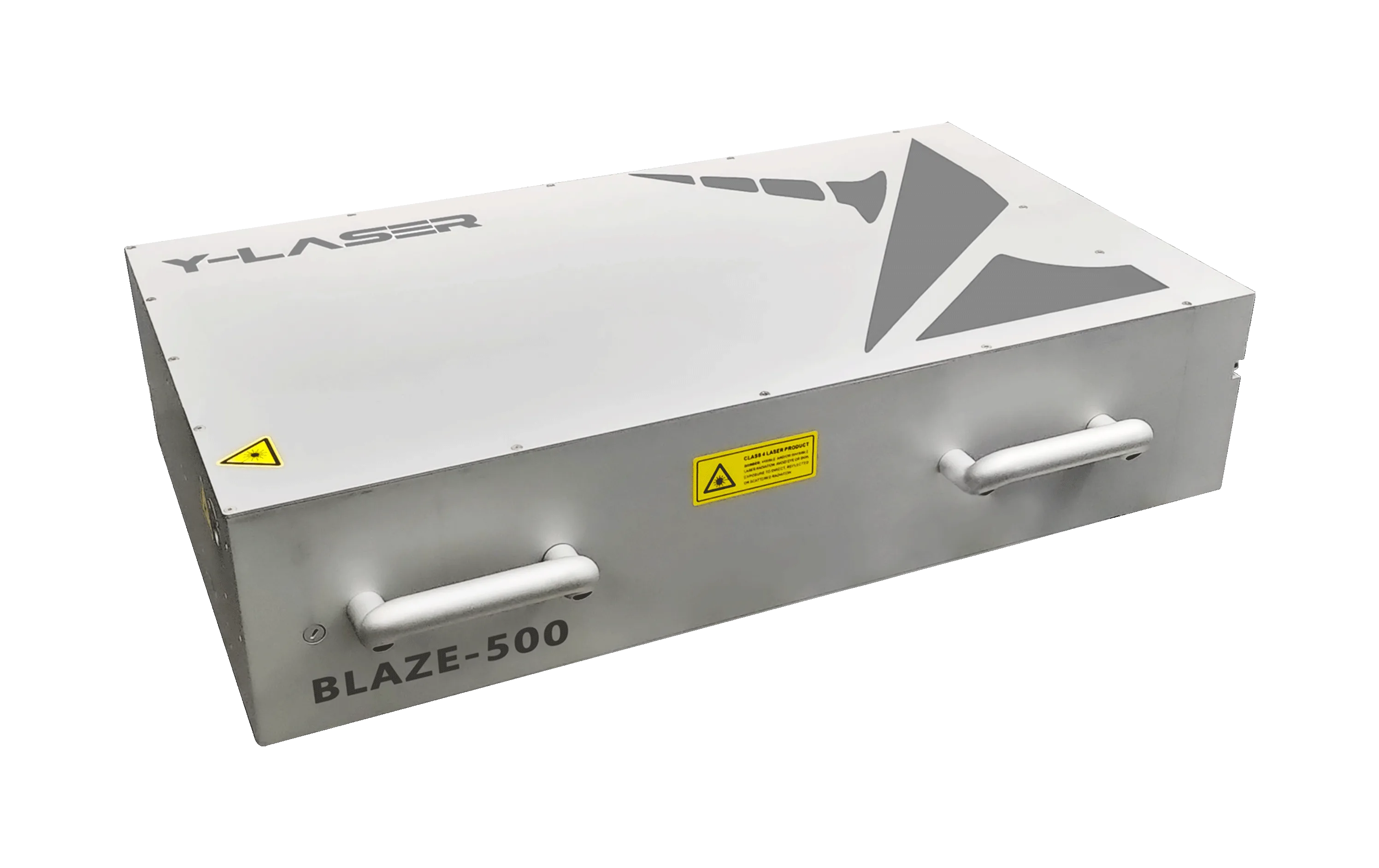
Blaze 80
Ultrafast Picosecond Series for Industrial Processing
- Pulse Duration <15 ps
- Average Power: 30 W – 80 W
- Pulse Energy: 30 µJ – 1000 µJ
- Wavelength: 1064 nm / 532 nm / 355 nm
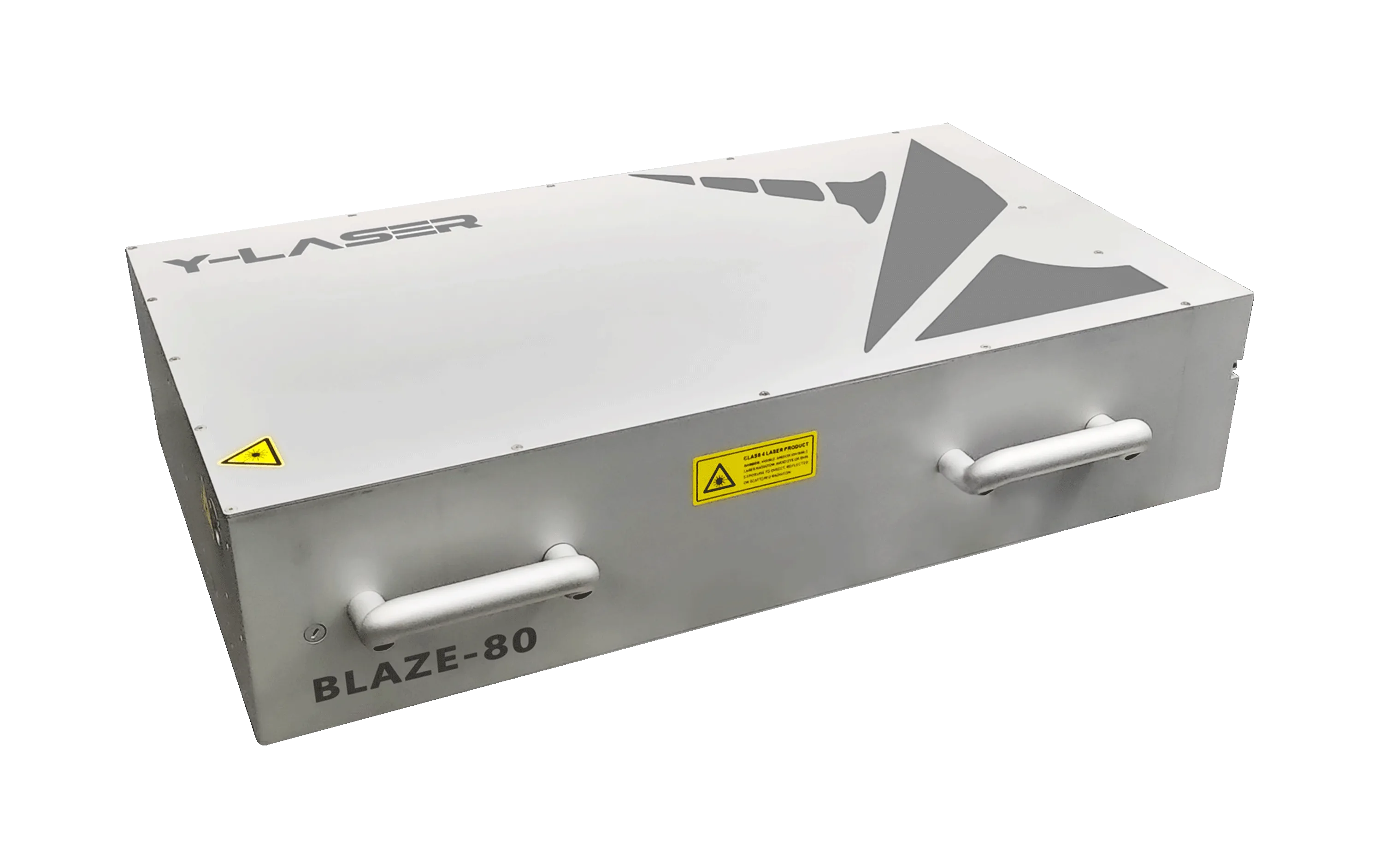
The Blaze series picosecond lasers cover multiple models across three center wavelengths: 1064 nm, 532 nm, and 355 nm, offering flexible solutions for diverse high‑performance requirements in both scientific research and industrial applications.
The 1064 nm models include multiple power options: 30 W@100 kHz, 50 W@100 kHz, and 50 W@50 kHz (Burst mode), with a maximum single‑pulse energy of up to 4 mJ in Burst mode and a pulse duration of approximately 10–15 ps. The 532 nm models deliver output powers ranging from 30 W@100 kHz to 80 W@400 kHz, with a pulse duration of approximately 7 ps and a maximum pulse energy of up to 300 µJ. The 355 nm models support 30 W@1 MHz and 60 W@2 MHz, with a pulse duration of approximately 7 ps and a pulse energy of 30 µJ.
All models operate in the TEM₀₀ mode with M² ≤ 1.3 and beam circularity >90%, ensuring excellent beam quality and a stable beam profile. The beam diameter ranges from 1.5 mm to 3.0 mm, and optional Burst‑mode operation supports complex application requirements, providing flexibility for various experimental setups.
The lasers feature a compact design (800 × 364 × 140 mm³) with a water‑cooling system and a warm‑up time of less than 15 minutes, suitable for operating environments with temperatures ranging from 22–30 °C and humidity below 60%.
Additionally, the lasers support PSO/POD/Gate and TTL trigger modes, and offer 0–5 V linear external power control for precise adjustment and seamless integration with existing systems.
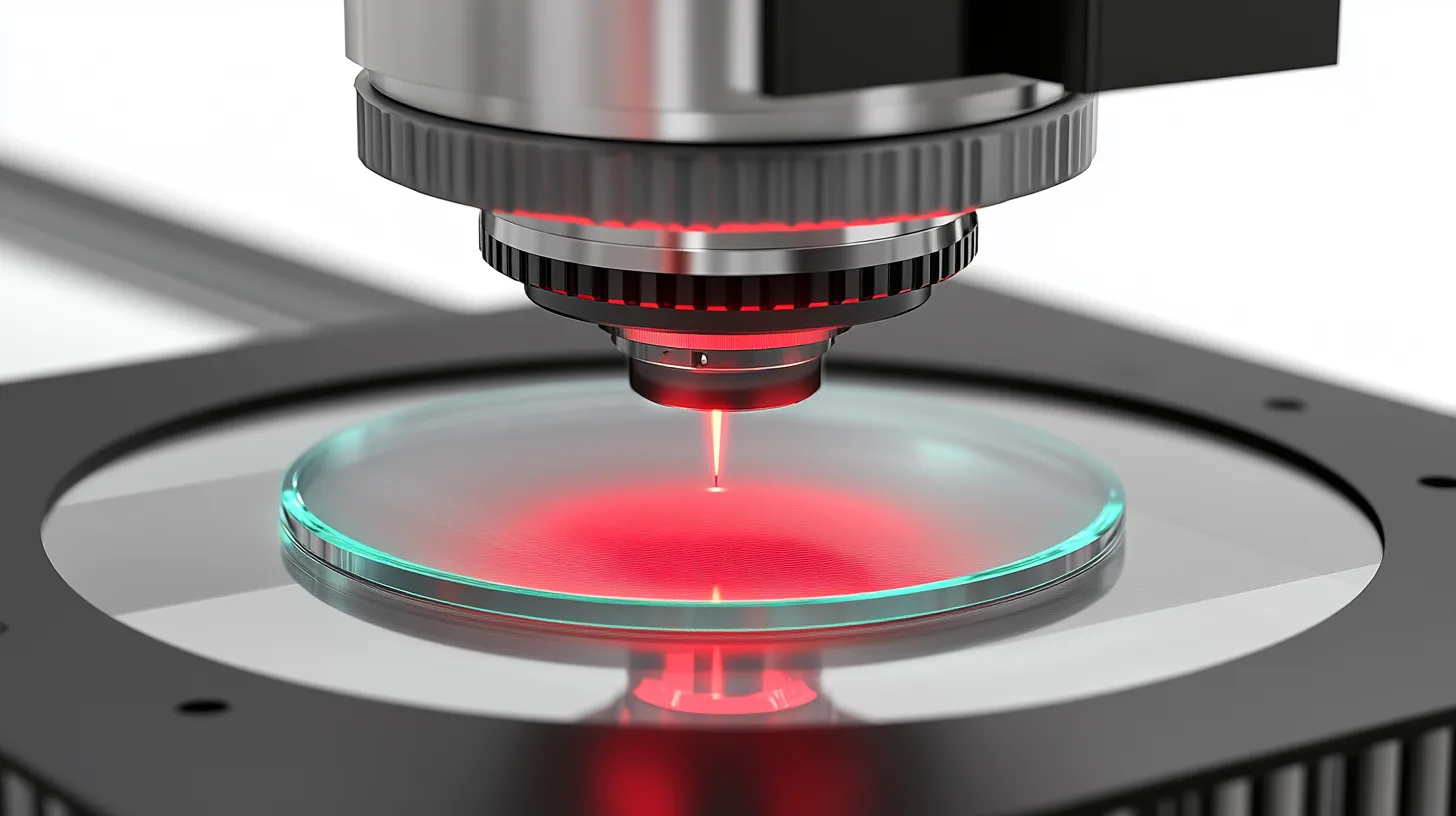
Glass Drilling
Ultrafast laser drilling of glass employs high-intensity femtosecond or picosecond pulses to create high-aspect-ratio, tapered, or straight-through holes with negligible chipping and micro-cracking. This method is widely used in consumer electronics, medical devices, and optical component manufacturing, where conventional mechanical drilling often fails due to glass brittleness.
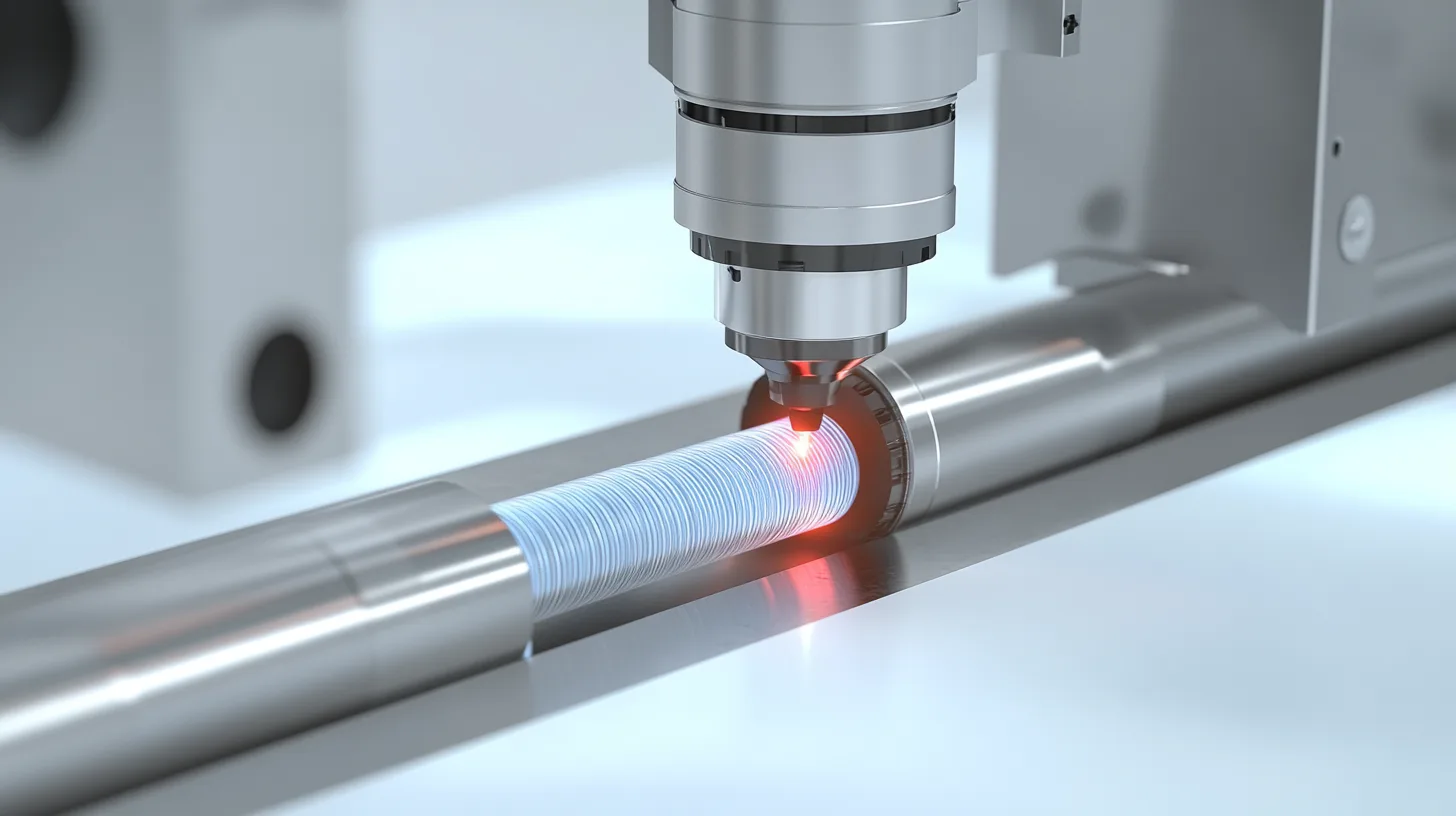
Fiber Cutting
Optical fiber cutting using ultrafast lasers enables clean, high-quality end-face cleaving of optical fibers with minimal surface roughness and no micro-cracks, essential for low-loss splicing and connectorization in telecommunications and sensor systems.
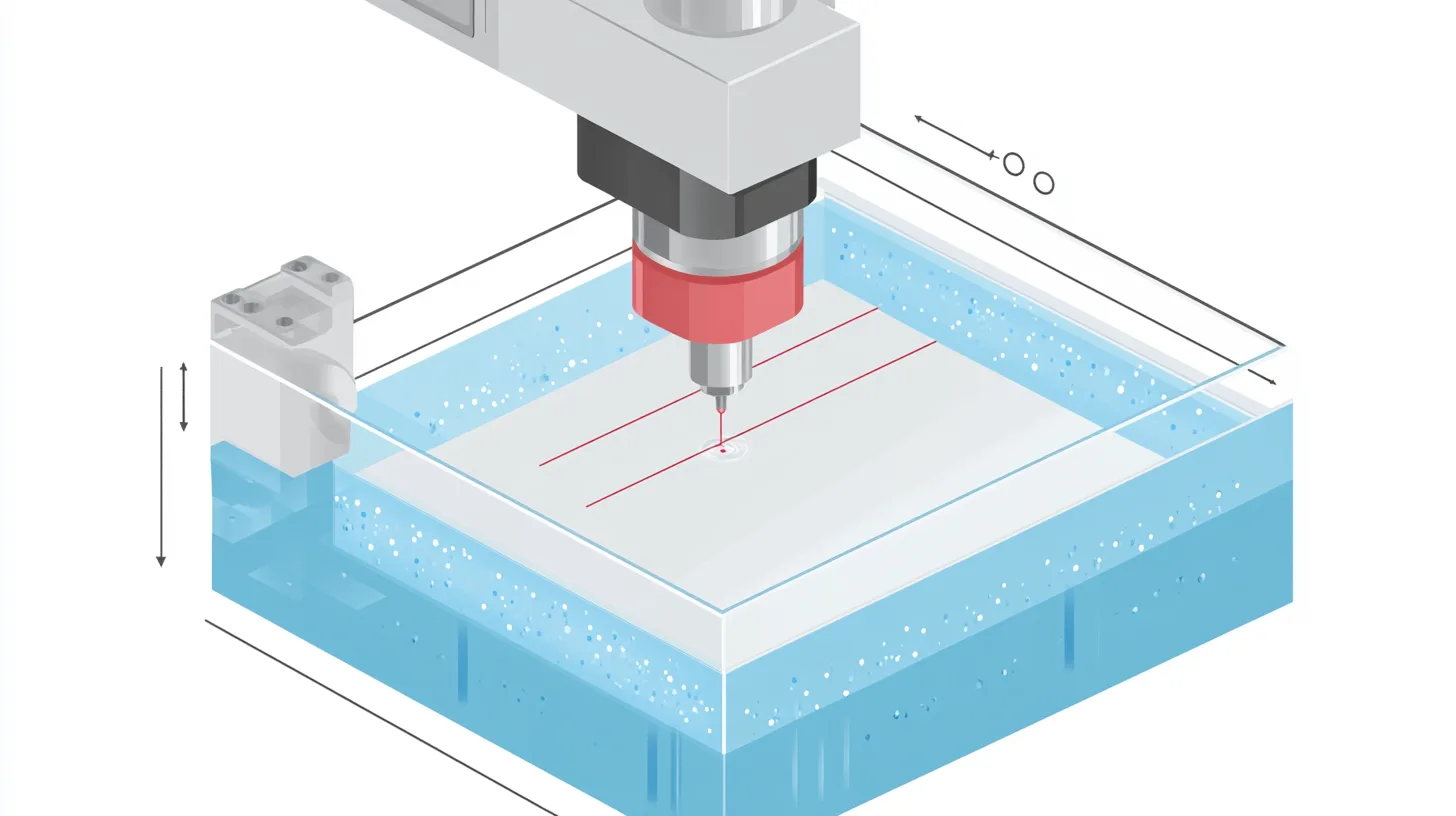
Glass Cutting
Ultrafast laser glass cutting uses focused femtosecond pulses to create internal modification lines within transparent glass, enabling controlled separation along predetermined paths with minimal edge chipping and exceptional edge quality. This technology has become indispensable in the production of thin glass displays, MEMS packaging, and optical windows.
Specification | Blaze-355-30 | Blaze-355-60 | Blaze-532-30 | Blaze-532-80 |
Central Wavelength | 355 ± 0.5nm | 532 ± 0.5nm | ||
Output Power | 30W @ 1MHz | 60W @ 2MHz | 30W @ 100 kHz | 80W @ 400 kHz |
Repetition Rate | 1Hz - 6MHz | 1Hz - 2MHz | ||
Pulse Energy | 30μJ | 300μJ | 200μJ | |
Power Stability | < 1%(8 hours,RMS) | < 1.5%(8 hours,RMS) | ||
Pulse Duration | - 7ps | |||
Beam Quality | TEM00, M²≤1.3 | TEM00, M²≤1.2 | ||
Beam Roundness | > 90% | |||
Beam Diameter | 3.0 ± 0.5mm | 1.5 ± 0.5mm | ||
Burst Pulse Number | 1 | 1 - 3 | ||
Dimensions | 800 x 364 x 140mm | |||
Trigger Mode | PSO / POD / Gate mode,and TTL trigger | |||
External Power Control | 0 - 5V, linear control | |||
Warm-up Time | 15 min | |||
Power Supply | AC100 - 240V / 50 - 60Hz | |||
Operating Humidity | < 60% RH @ 25 ℃ | |||
Operating Temperature | 22 - 30 ℃ | |||
Cooling Method | Water circulation cooling | |||