Precision Parts Cutting
Precision component cutting uses ultrafast lasers to produce high-quality cuts in complex, miniaturized parts—such as stents, gears, sensors, and microelectronic packages—with minimal kerf width, reduced recast layer, and negligible thermal damage, ensuring tight tolerances and high edge quality.
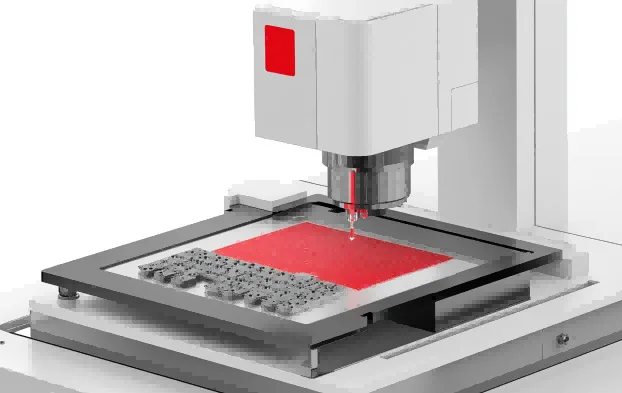
Precision parts cutting is a precise process widely used to cut raw materials or workpieces into parts of specific dimensions, shapes, and high accuracy. This process usually relies on highly precise machines and tools to ensure cutting accuracy and part quality. Precision parts cutting has broad applications across various industrial fields, especially in the manufacture of components requiring high precision.
Femtosecond lasers produce ultrashort pulses that can precisely remove material without significant thermal effects. This localized action allows precise control of the cutting process and reduces thermal deformation and stress in the material. Femtosecond lasers can cut many types of materials, including those that are heat-sensitive or difficult to machine, making them an ideal tool for manufacturing a variety of high-tech products.
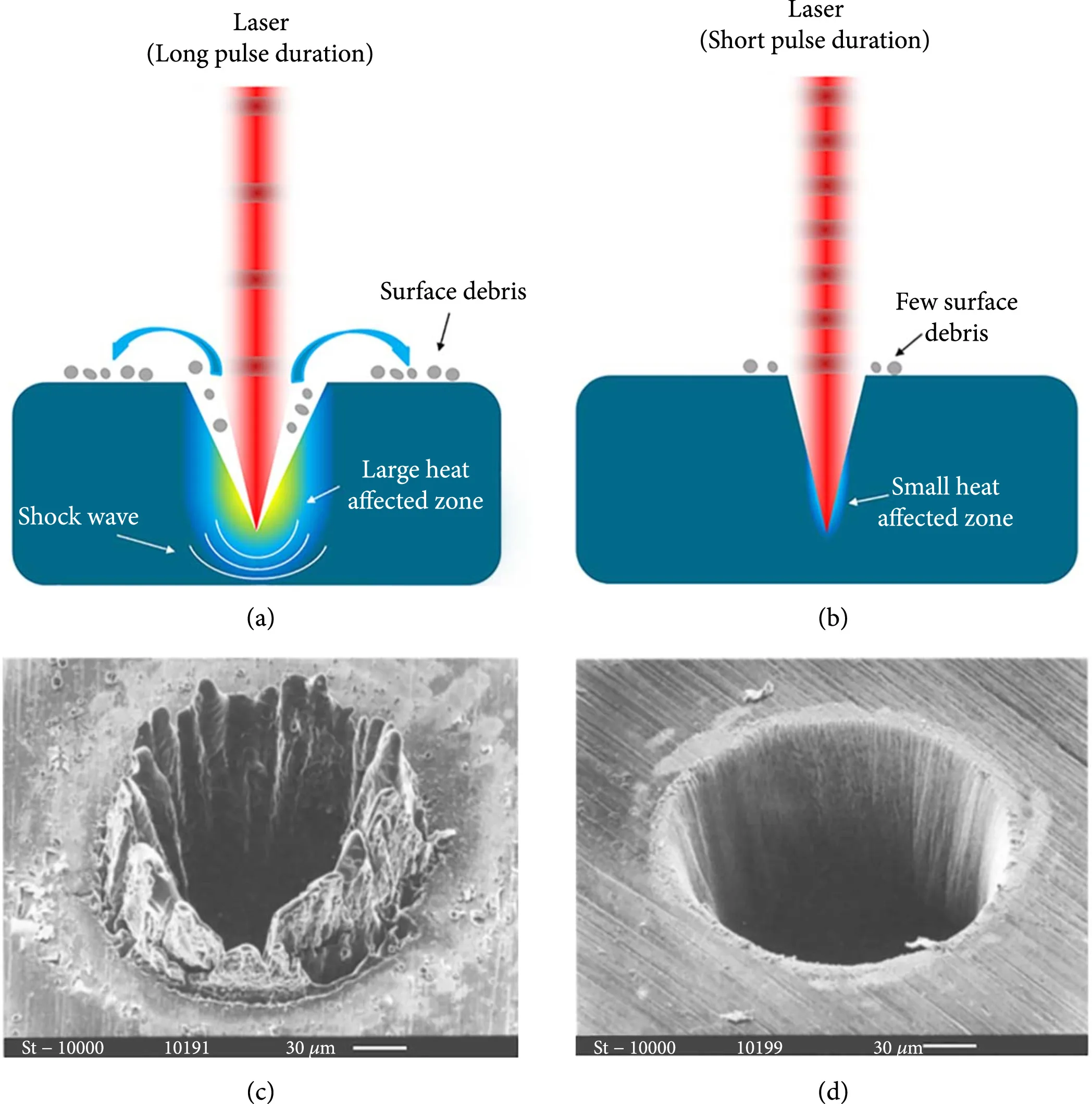
Figure 1: Schematic of laser–material interaction at different pulse durations: (a) long pulse duration and (b) short pulse duration. (c) SEM image of an ablation hole made in 100 μm steel foil by a 780 nm nanosecond laser (3.3 ns, 0.5 J/cm²); (d) 780 nm femtosecond laser, 200 fs, 0.5 J/cm².
Femtosecond lasers make it possible to manufacture parts with complex designs and high-precision requirements. Their precise control is crucial for producing miniature parts and complex geometries.
The femtosecond laser is an advanced precision cutting tool applicable to many materials such as metals, plastics, ceramics, and various composites. Its core advantage lies in the ultrashort pulses it produces, which are short enough to achieve precise material removal without causing significant thermal effects. This is especially important because it greatly reduces thermal deformation and internal stress during cutting, preserving the integrity and performance of the material.
Femtosecond lasers are particularly suitable for manufacturing parts that are structurally complex, finely dimensioned, or very small in scale. For example, they exhibit outstanding performance in fabricating microelectromechanical systems (MEMS) and various precision mechanical components. MEMS integrate mechanical elements, sensors, actuators, and electronic systems into miniaturized devices, imposing extremely high demands on cutting precision and material handling. With their high-precision and high-efficiency cutting capability, femtosecond lasers can produce these complex and fine parts without excessive post-processing and reshaping, greatly improving overall production efficiency and part quality.
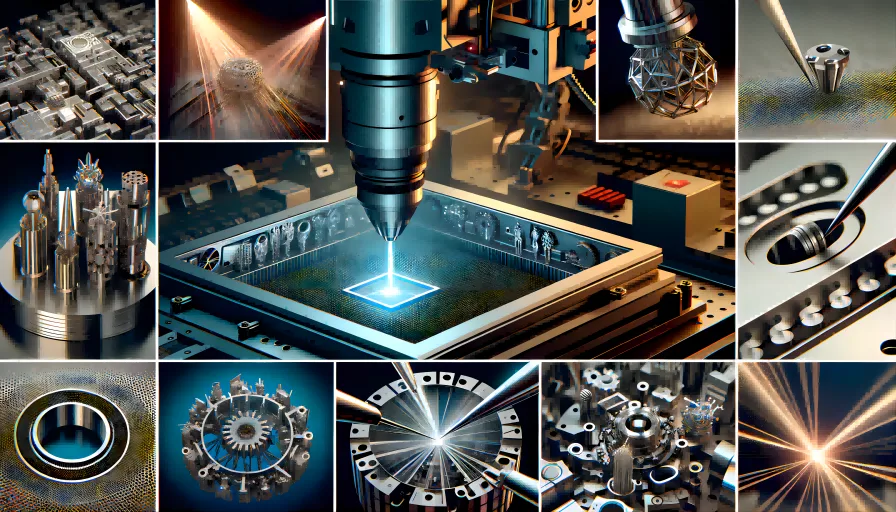
Because they can precisely control the cutting process, femtosecond lasers can also machine materials that are heat-sensitive or difficult to process by conventional methods. This flexibility makes them an ideal tool for producing many high-tech products. Whether in aerospace, biomedicine, microelectronics, or other high-tech industries, femtosecond laser cutting can meet the demands of manufacturing parts with complex designs and high precision.
In addition, femtosecond laser cutting improves production efficiency and reduces material waste. Through precise cutting, it lowers costs caused by machining errors or part damage, helping enterprises reduce production costs over the long term while improving product quality. These advantages make the femtosecond laser one of the indispensable key technologies in modern manufacturing.