Industrial Processing
Industrial processing with ultrafast lasers utilizes high-power femtosecond or picosecond pulses for precision manufacturing tasks such as cutting, drilling, marking, surface structuring, and welding. The ultra-short pulse duration minimizes thermal damage and enables sub-micrometer precision, making it ideal for high-value applications in automotive, semiconductor, medical device, aerospace, and consumer electronics industries.
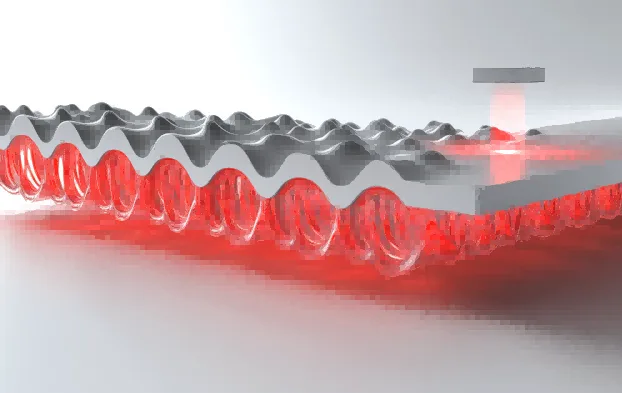
Laser-Induced Periodic Surface Structures (LIPSS)
Periodic surface structures refer to regular, repeated patterns—typically with sub-wavelength or micro-scale periods—formed on material surfaces by ultrafast laser irradiation, often via interference or self-organization effects. These structures are widely used to tailor surface properties such as wettability, color, antireflectivity, and friction.
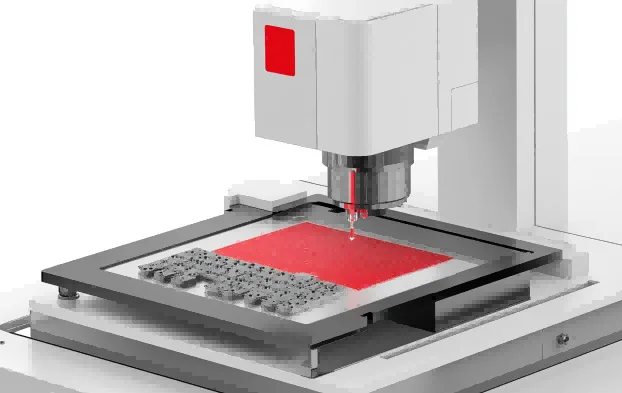
Precision Parts Cutting
Precision component cutting uses ultrafast lasers to produce high-quality cuts in complex, miniaturized parts—such as stents, gears, sensors, and microelectronic packages—with minimal kerf width, reduced recast layer, and negligible thermal damage, ensuring tight tolerances and high edge quality.

Polymer / Metal Polishing
Ultrafast laser polishing is a non-contact finishing technique that removes micro-scale surface asperities from polymers and metals through controlled ablation or melting, dramatically reducing surface roughness (Ra) while preserving the geometric integrity of the component—making it ideal for precision molds, medical implants, and optical components.
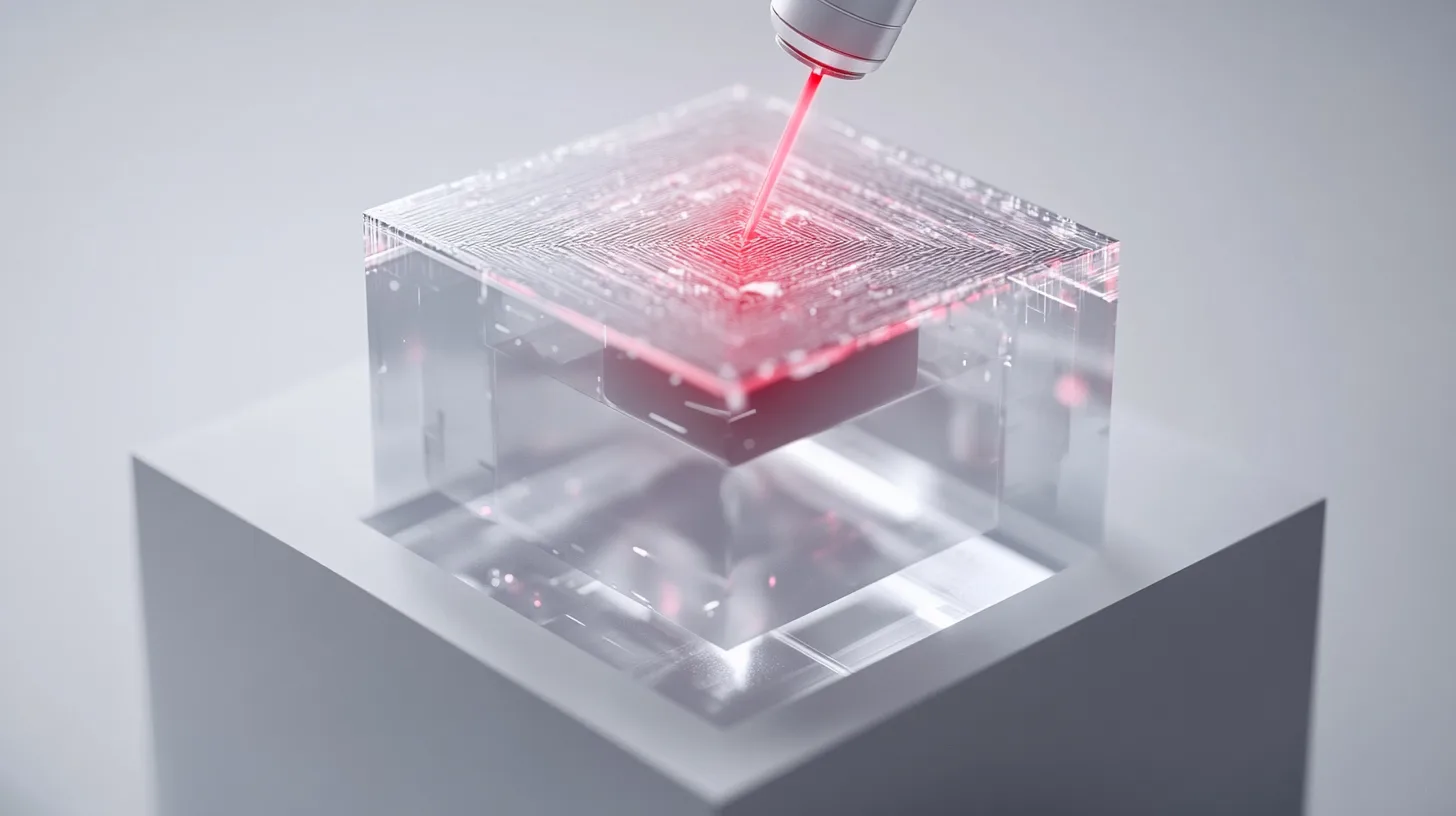
Milling of Complex 3D Structures
Milling of complex 3D structures using ultrafast lasers involves layer-by-layer material removal via controlled ablation to fabricate intricate, freeform three-dimensional geometries such as microfluidic channels, nozzles, and turbine blades. This technology enables high design flexibility and sub-micrometer accuracy in advanced manufacturing.
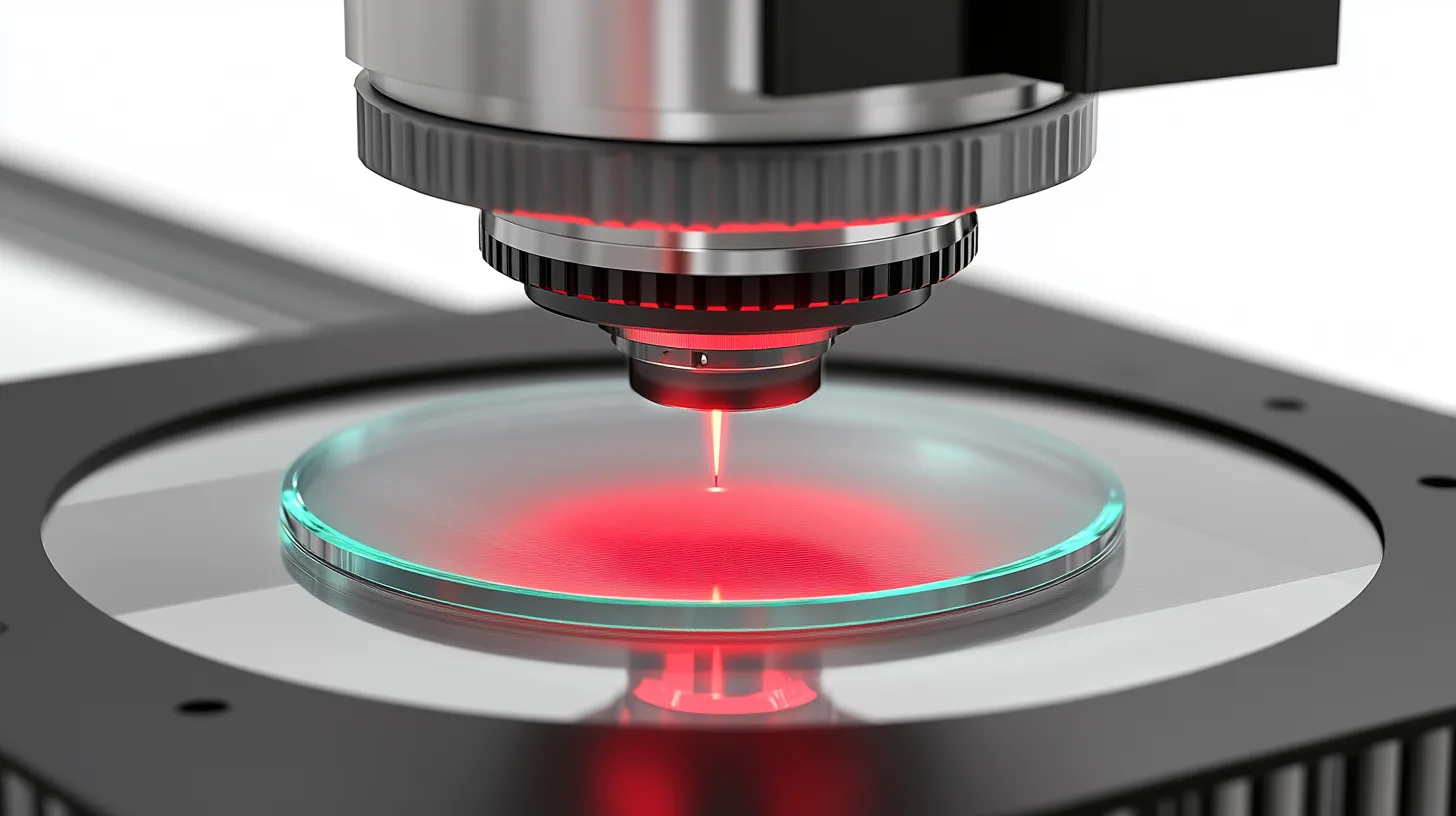
Glass Drilling
Ultrafast laser drilling of glass employs high-intensity femtosecond or picosecond pulses to create high-aspect-ratio, tapered, or straight-through holes with negligible chipping and micro-cracking. This method is widely used in consumer electronics, medical devices, and optical component manufacturing, where conventional mechanical drilling often fails due to glass brittleness.
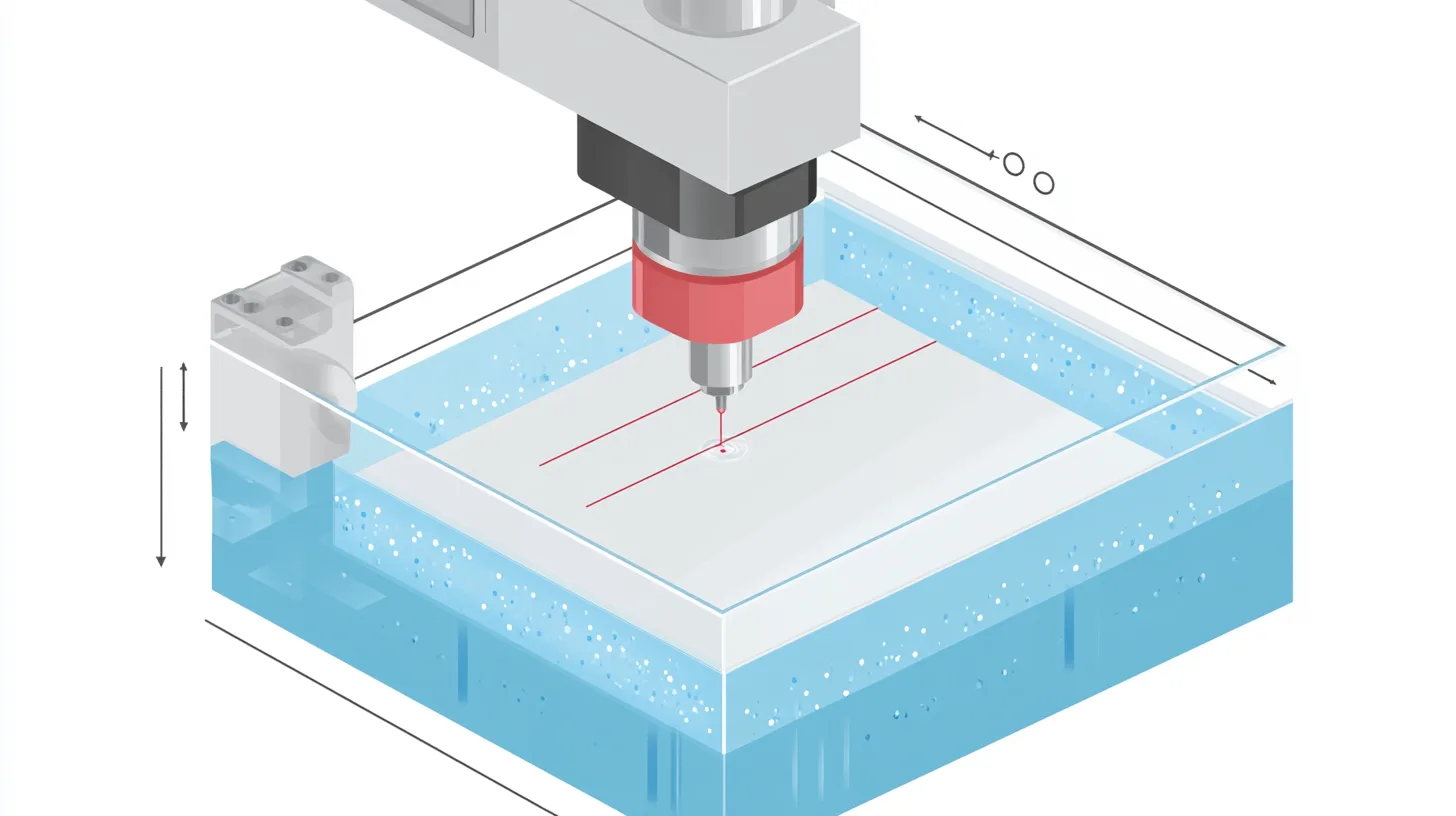
Glass Cutting
Ultrafast laser glass cutting uses focused femtosecond pulses to create internal modification lines within transparent glass, enabling controlled separation along predetermined paths with minimal edge chipping and exceptional edge quality. This technology has become indispensable in the production of thin glass displays, MEMS packaging, and optical windows.

Stent Cutting
Stent cutting utilizes femtosecond or picosecond lasers to precisely machine fine strut patterns from thin-walled metal tubes, achieving high precision and virtually zero thermal damage, which is essential for manufacturing cardiovascular and peripheral vascular stents.

Stainless Steel Polishing
Ultrafast laser polishing of stainless steel removes surface asperities through controlled ablation, significantly reducing surface roughness (Ra) while preserving the part's mechanical integrity and corrosion resistance. This technique has become an important complement to traditional mechanical and electrochemical polishing in the medical and industrial sectors.
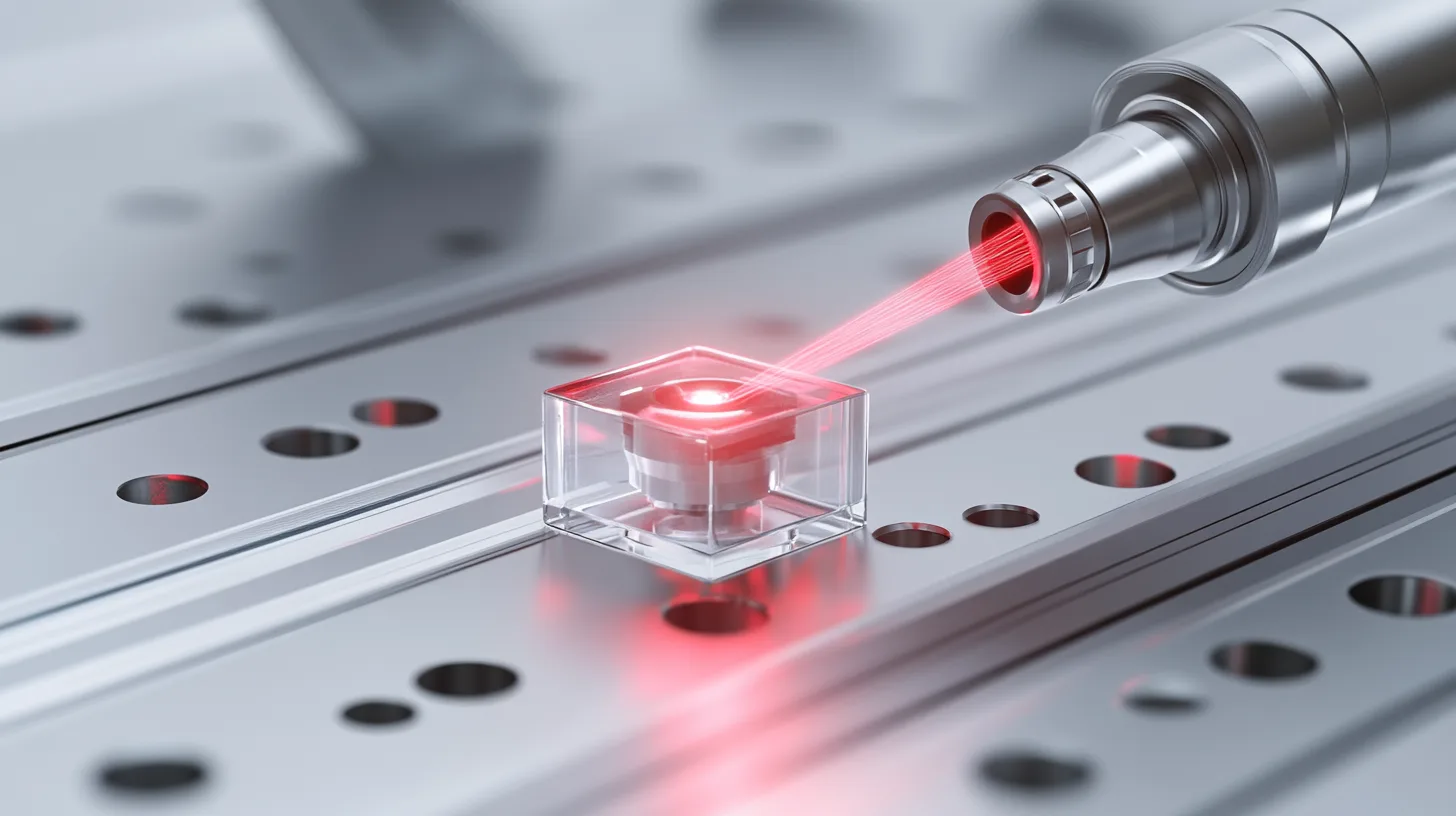
Selective Ablation
Selective ablation refers to the precise removal of material from targeted regions without affecting the surrounding areas, achievable in ultrafast laser processing through fine energy control, wavelength selection, or multi-photon absorption. This capability is crucial for functional layer removal, precision patterning, and tissue microsurgery.
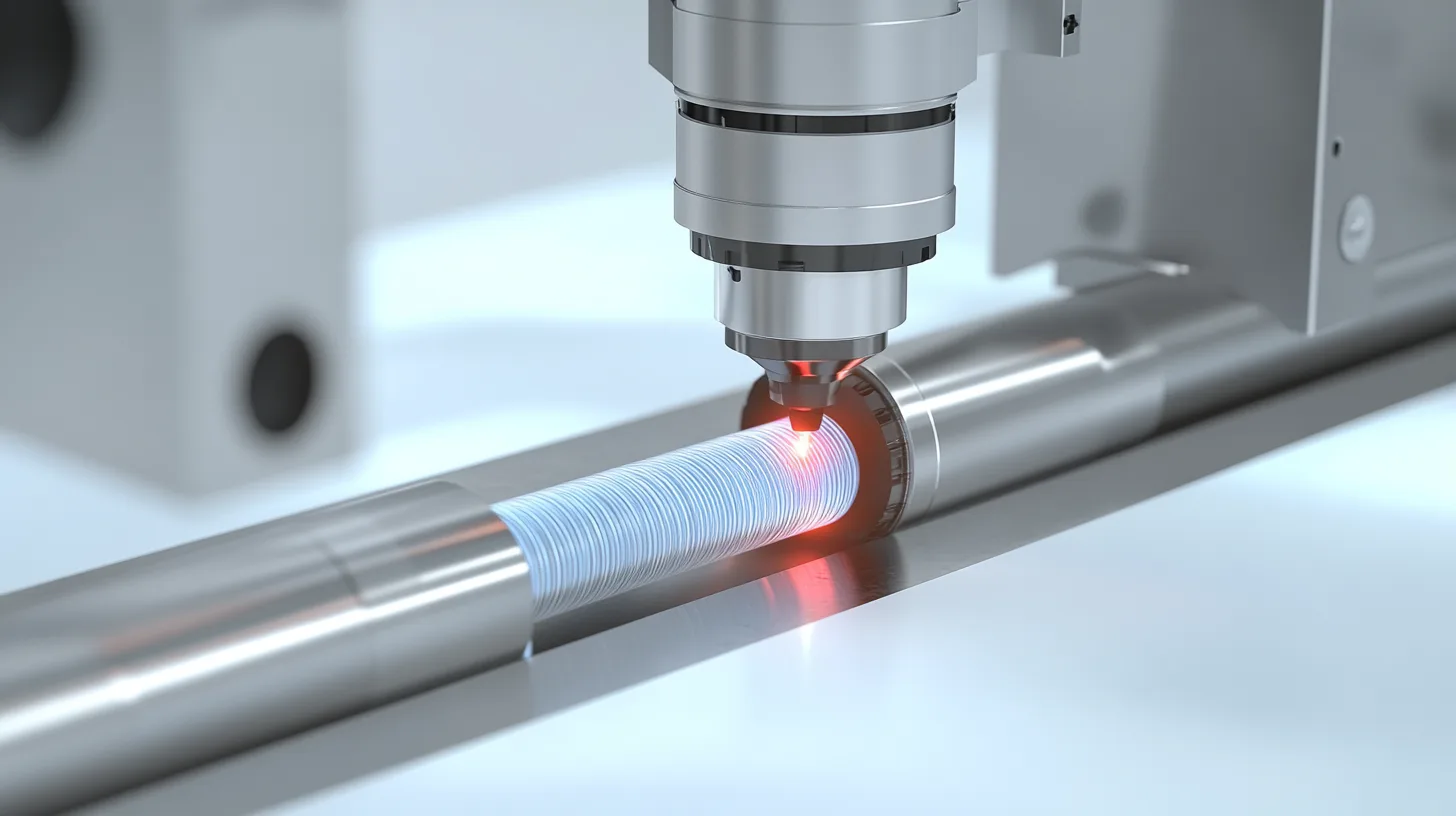
Fiber Cutting
Optical fiber cutting using ultrafast lasers enables clean, high-quality end-face cleaving of optical fibers with minimal surface roughness and no micro-cracks, essential for low-loss splicing and connectorization in telecommunications and sensor systems.

Conical Drilling
Conical or tapered drilling with ultrafast lasers refers to the precise fabrication of holes with controlled taper angles and smooth inner walls in hard and brittle materials, typically achieved by adjusting the laser incidence angle, beam focus, or using spiral scanning techniques. It is critical for injection nozzles, optical fiber alignment, and aerospace cooling holes.