High-Energy Physics and Attosecond Science
High-energy physics and attosecond science represent two of the most exciting and cutting-edge application fields of ultrafast laser sources. Together, they aim to explore the behavior of matter at extreme temporal (attosecond, 10⁻¹⁸ s) and spatial (atomic) scales, offering unprecedented time-resolved "cameras" to observe electron dynamics and atomic–molecular motion. This field not only drives fundamental scientific breakthroughs but also fosters key technologies such as terahertz generation, high-order harmonic generation (HHG), X-ray generation, and nonlinear optics. The synergy between high-energy physics and attosecond science is realized through extreme nonlinear interactions of intense femtosecond lasers with matter—whether gases, solids, or plasmas—producing broadband coherent light from terahertz to X-ray wavelengths, thereby providing novel probing tools for materials research. Currently, this field is experiencing rapid growth. Continuous advances in HHG, terahertz and X-ray generation, and nonlinear optics are steadily expanding the frontiers of our ability to observe and understand the microscopic world.
Terahertz Generation
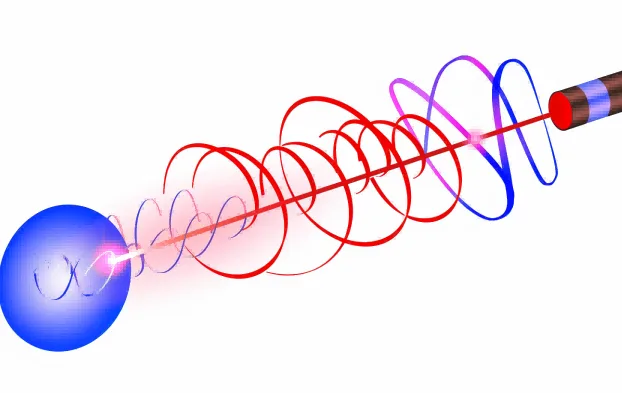
Terahertz generation refers to the production of electromagnetic radiation in the 0.1–10 THz frequency range, typically achieved through nonlinear optical processes such as optical rectification or photoconductive emission. It has become a powerful tool in time-resolved spectroscopy, non-destructive inspection, and ultra-broadband communication.
High-Harmonic Generation
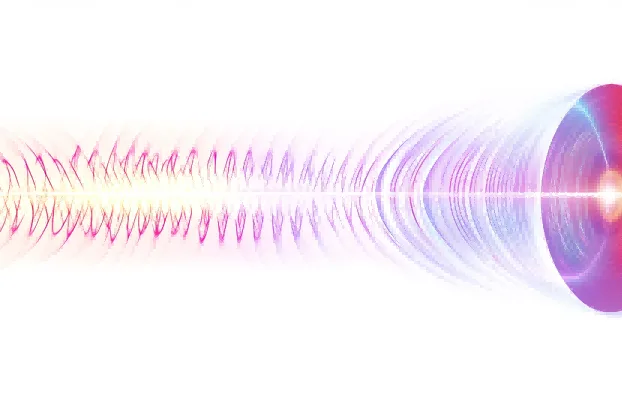
Attosecond Pulse Generation、Extreme Ultraviolet (XUV) Light Sources

X-Ray Generation
Crystallography, Medical Imaging, and Materials Science
Nonlinear Optics
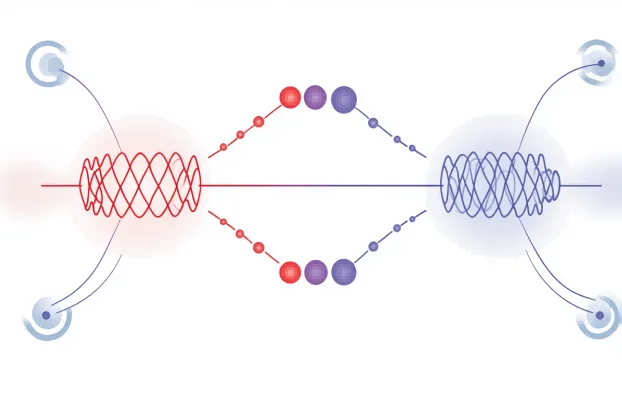
Ultrafast Spectroscopy and Quantum Control